Intrepid Custom Painting & Design
P’aint Life Grand
Exterior Painting · 5 min read
Coastal Color Palettes: Enduring Beauty for Long Neck, DE Homes
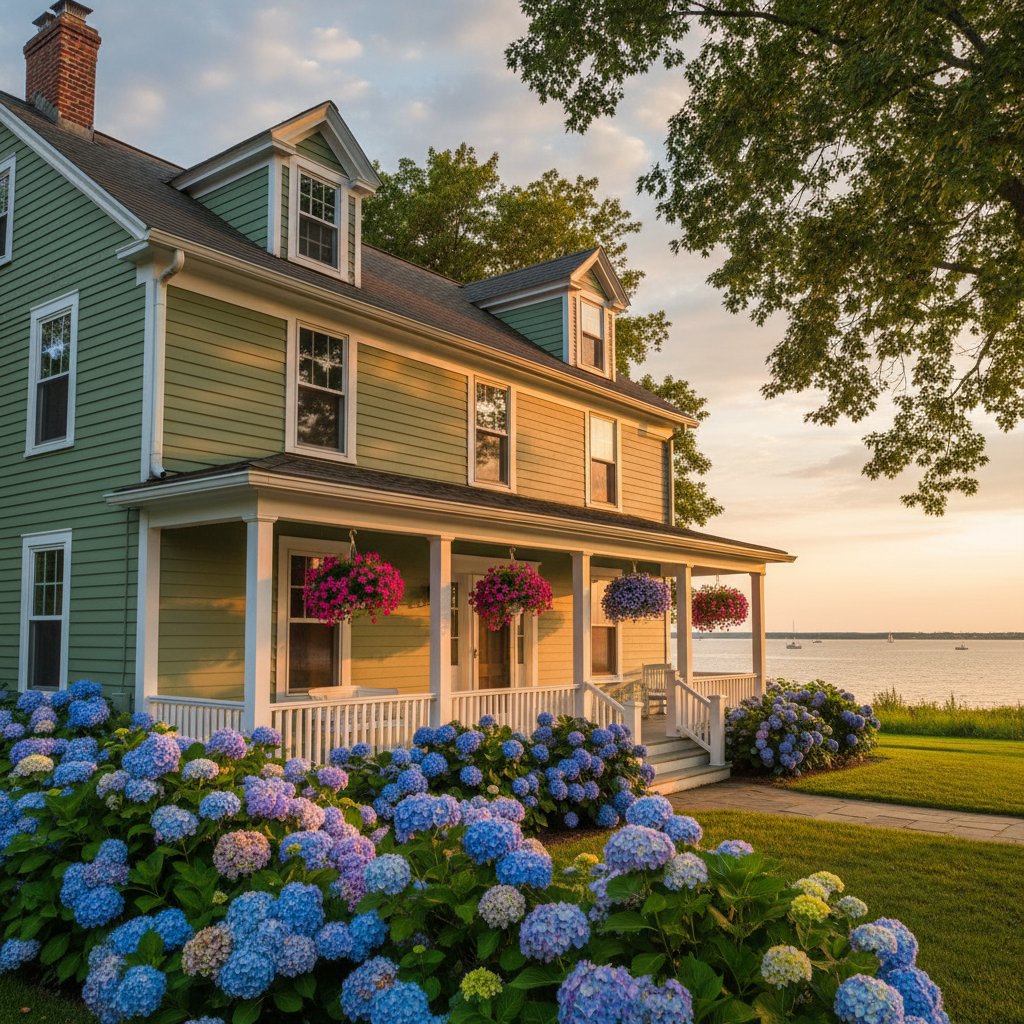
Long Neck, Delaware, with its unique blend of waterfront properties and established communities, presents a distinct challenge and opportunity for homeowners considering exterior painting. The coastal environment—characterized by abundant sunshine, salt-laden air, and high humidity—demands careful consideration, especially when it comes to color choices. The right palette not only enhances your home's curb appeal but also ensures its beauty endures through the seasons.
Choosing paint colors that age gracefully in a coastal setting means thinking beyond immediate trends. It involves selecting hues that resist the fading effects of UV rays, complement the natural light, and harmonize with the surrounding landscape, from the bay to the vibrant local flora. For many Long Neck residents, whether in a newer builder home or a charming bayside cottage, finding that perfect balance is key to a lasting investment.
This article will guide you through understanding the factors that influence color longevity in our specific coastal climate and suggest palettes that offer both timeless appeal and practical resilience. We’ll focus on colors that not only look good today but will continue to enhance your Long Neck home for years to come, reflecting the serene yet robust spirit of our coastal communities.
Understanding the Coastal Impact on Color Longevity
The vibrant sunlight and reflective water surfaces of coastal Delaware can intensify colors, making them appear brighter than they might elsewhere. This optical effect means that a color chosen in an interior showroom might look significantly different once applied to your home’s exterior in Long Neck. Furthermore, continuous exposure to harsh UV radiation is the primary culprit behind color fading, particularly for darker and more saturated tones.
Salt air, while invigorating for us, can also be corrosive to paint finishes over time, exacerbating chalking and dulling. Humidity, prevalent in our region, affects how paint cures and ages, making some colors more susceptible to mildew and staining if not properly formulated. Understanding these environmental stressors is the first step toward selecting a palette that can withstand the unique demands of our Long Neck climate.
- UV radiation accelerates fading, especially in vibrant or dark colors.
- Salt air can contribute to chalking and dulling of paint finishes.
- High humidity can affect paint curing and increase mildew susceptibility.
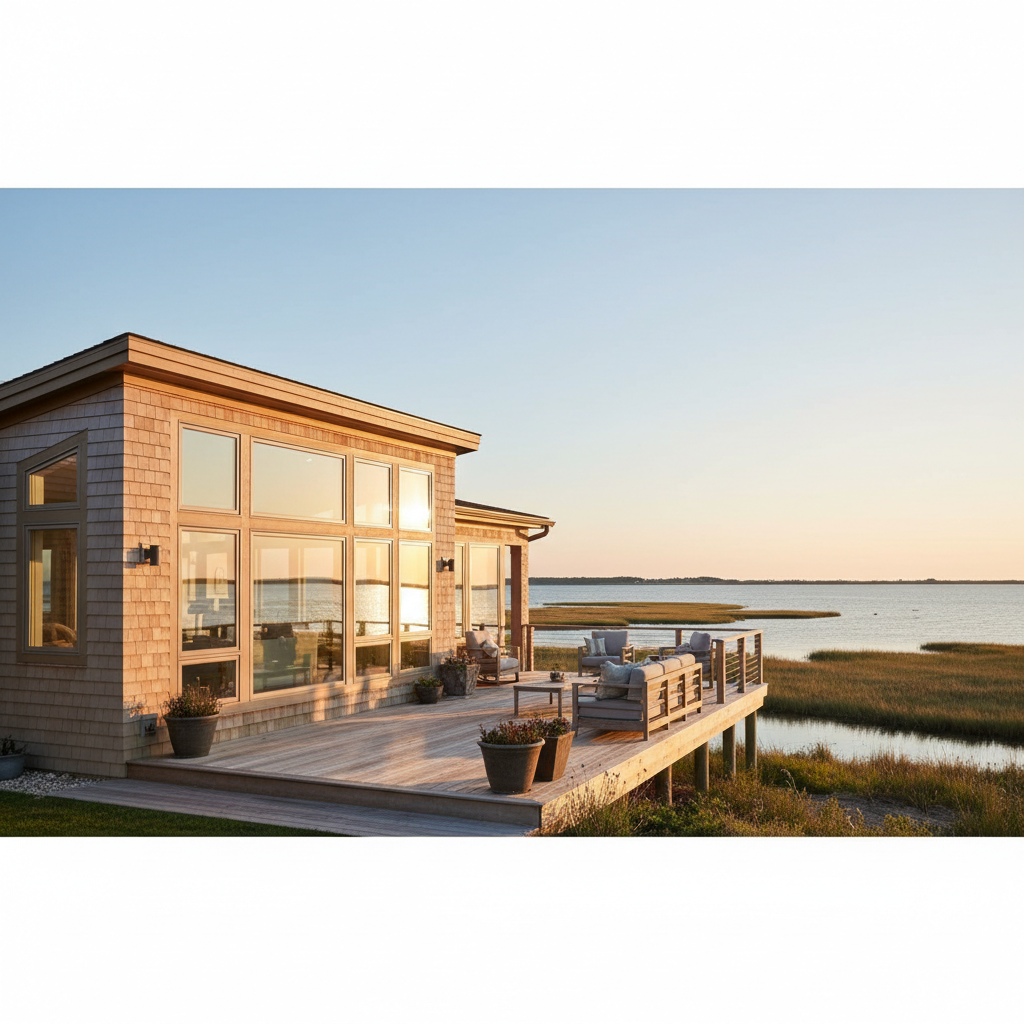
Timeless Coastal Neutrals: The Foundation of Enduring Style
Neutral colors form the backbone of a resilient coastal palette. Shades of white, off-white, light gray, and soft beige are inherently less prone to fading than their darker counterparts. These colors reflect sunlight rather than absorbing it, which not only helps preserve their pigment but also keeps your home cooler during our warm summers. Their versatility means they pair beautifully with almost any accent color you might choose for trim or doors.
In Long Neck, where the landscape offers muted greens and blues, these timeless neutrals create a calming, sophisticated backdrop. Consider a soft, warm white that evokes beach sand, or a cool gray that mirrors the misty morning skies over the bay. These foundational colors provide a classic elegance that doesn't compete with the natural beauty of the surroundings and remain appealing through varying trends.
- Whites, off-whites, and light grays are less prone to UV fading.
- Neutral colors reflect sunlight, helping to keep homes cooler.
- They provide a versatile backdrop for accent colors and natural surroundings.
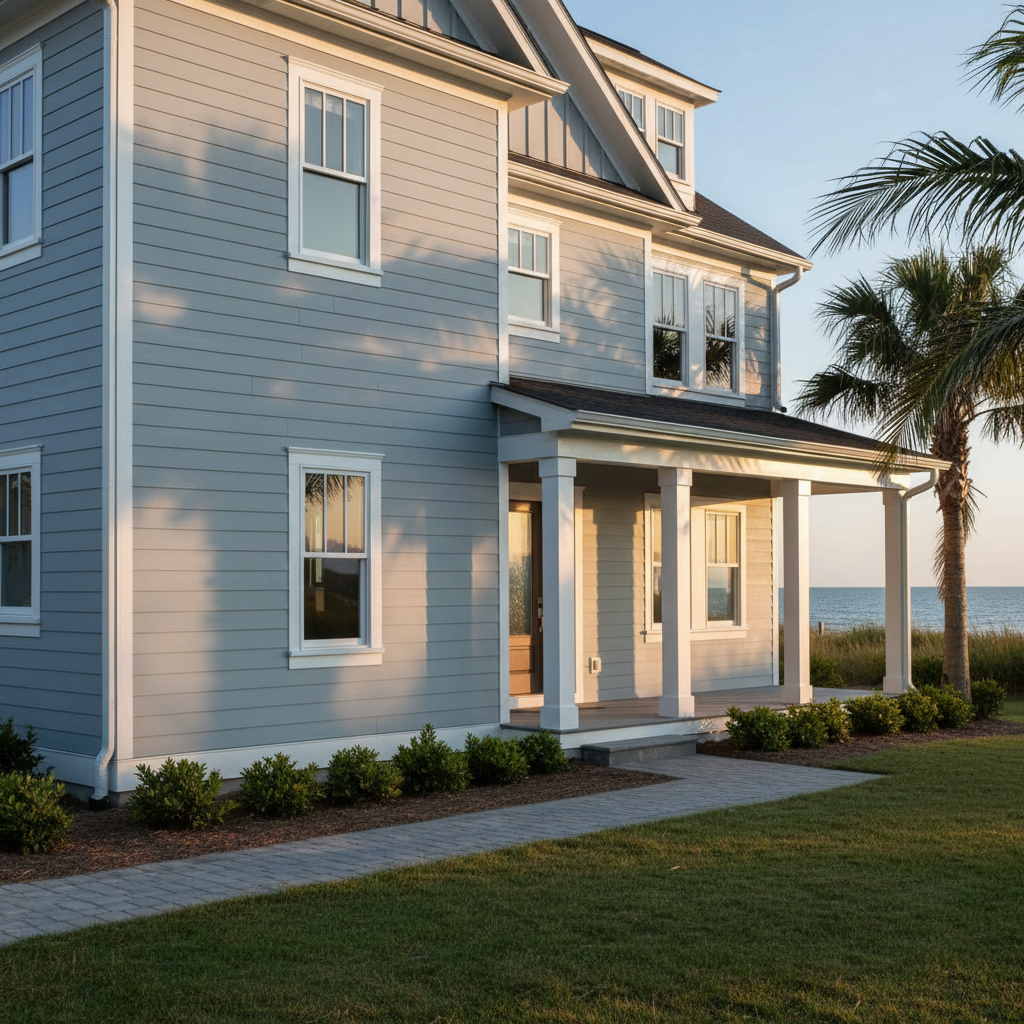
Subtle Blues and Greens: Reflecting the Local Landscape
Drawing inspiration from the natural environment is a hallmark of good coastal design. For Long Neck homes, this often translates into incorporating subtle blues and greens. Think of the serene blues of the Rehoboth Bay on a clear day, or the soft greens of marsh grasses and dune foliage. These muted, naturalistic tones tend to age gracefully because they blend seamlessly with the environment, making any subtle fading less noticeable than with bolder hues.
When selecting blues and greens, lean towards desaturated, earthy versions rather than vibrant or electric shades. A muted sage, a tranquil seafoam green, or a dusty slate blue can create a harmonious exterior that feels inherently connected to coastal Delaware. These colors offer a refreshing alternative to neutrals while still providing excellent longevity and a consistently appealing aesthetic.
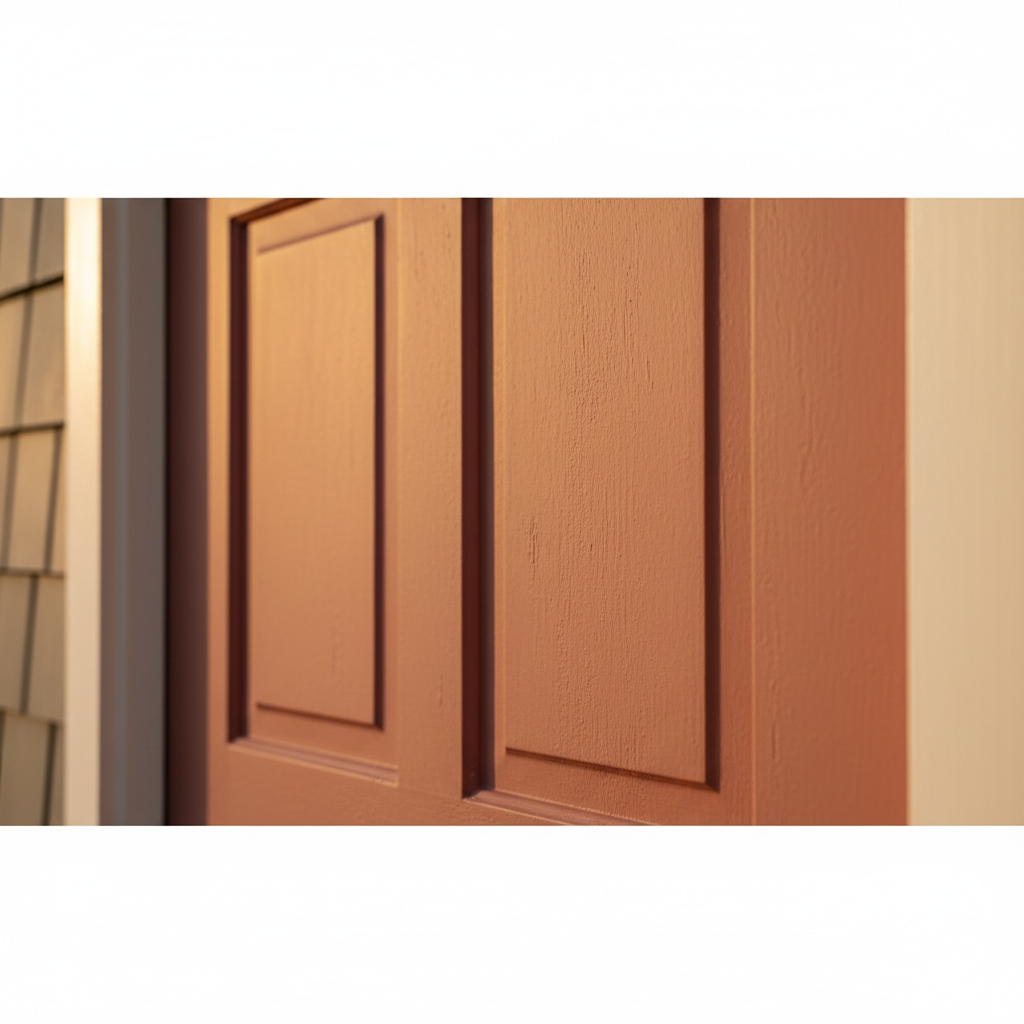
Warm Accents: A Touch of Coastal Charm That Lasts
While main body colors benefit from being more subdued, accents can introduce warmth and personality. For Long Neck homes, consider muted terracotta, soft coral, or even a deep, weathered wood stain for doors, shutters, or specific architectural features. These colors, when used thoughtfully, can add depth and interest without overwhelming the primary palette.
The key to long-lasting accent colors is selecting shades that have a natural, organic feel. Avoid overly bright or artificial-looking hues. A natural cedar stain on porch railings or a muted bronze for light fixtures can tie into the coastal environment beautifully, offering a touch of warmth that ages with character rather than fading into oblivion. These carefully chosen accents ensure your home remains inviting and visually engaging.
Practical Considerations for Paint Durability
Beyond color choice, the quality of the paint product itself plays a crucial role in longevity. Investing in premium exterior paints designed for coastal conditions can significantly extend the life of your finish. These paints often feature advanced UV inhibitors, excellent mildew resistance, and superior adhesion properties that are vital in our humid, salty environment.
Proper surface preparation is equally important. In Long Neck, where homes can range from older, weathered siding to newer, meticulously maintained structures, ensuring a clean, dry, and properly primed surface is non-negotiable. This meticulous attention to detail at the outset guarantees that even the most thoughtfully chosen color palette will have the best possible foundation to endure the coastal elements for many years.
Beyond Trends: The Enduring Appeal of Classic Coastal Hues
In the dynamic world of design, trends come and go, but true coastal style often remains rooted in a sense of timelessness. For Long Neck homeowners, this means embracing palettes that evoke serenity, reflect the natural environment, and possess an inherent resistance to fading. Instead of chasing the latest 'it' color, consider hues that have proven their mettle against the sun, salt, and humidity of coastal Delaware.
Ultimately, the goal is to create an exterior that not only looks beautiful upon completion but continues to do so with minimal fuss. By selecting colors that are naturally resilient and complement our unique regional character, you ensure your home stands as a beacon of enduring beauty, a true reflection of the enduring charm that defines Long Neck and the surrounding coastal communities.
Common questions
- How does the salt air in Long Neck affect exterior paint?
- Salt-laden air can accelerate the degradation of paint finishes, leading to chalking, dullness, and reduced adhesion over time. Using high-quality, marine-grade exterior paints with robust binders is crucial to combat these effects and ensure longer-lasting results for homes in Long Neck.
- Are there specific colors I should avoid for a long-lasting finish in coastal Delaware?
- While any color can eventually fade, highly saturated or very dark colors (like deep reds, vibrant blues, or charcoal grays) tend to absorb more UV radiation, making them more prone to fading and premature chalking in the intense coastal sun. Lighter, more muted tones generally offer better longevity.
- What kind of maintenance can extend the life of my exterior paint in Long Neck?
- Regular washing with a mild detergent and water can remove salt buildup, dirt, and mildew, which helps prevent premature paint degradation. Inspecting for minor chips or cracks and addressing them promptly can also prevent moisture intrusion and larger issues, extending the paint's lifespan.
- How often should homes in Long Neck typically be repainted?
- Given the coastal environment, homes in Long Neck often require repainting every 7-10 years, though this can vary based on paint quality, color choice, and exposure to direct elements. Lighter colors and higher-quality paints may last longer, while darker colors or highly exposed surfaces might need attention sooner.
Planning a project in Sussex County?
We walk the property, talk through scope and color, and leave you with a written estimate. Most projects start around $3,000+.
More on painting & design in Long Neck
Interior & exterior painting in Long Neck
Local scope, prep, and scheduling notes for Long Neck homes, plus FAQs and reviews from neighbors.
Cabinet refinishing near Long Neck
Sprayed urethane kitchen finishes with Good, Better, and Signature pricing tiers.
Project photo gallery
Photos from finished coastal Sussex County jobs, plus before-and-after pairs by service type.