Intrepid Custom Painting & Design
P’aint Life Grand
Exterior Painting · 5 min read
The Foundation of Lasting Beauty: Paint Prep in Milton, DE
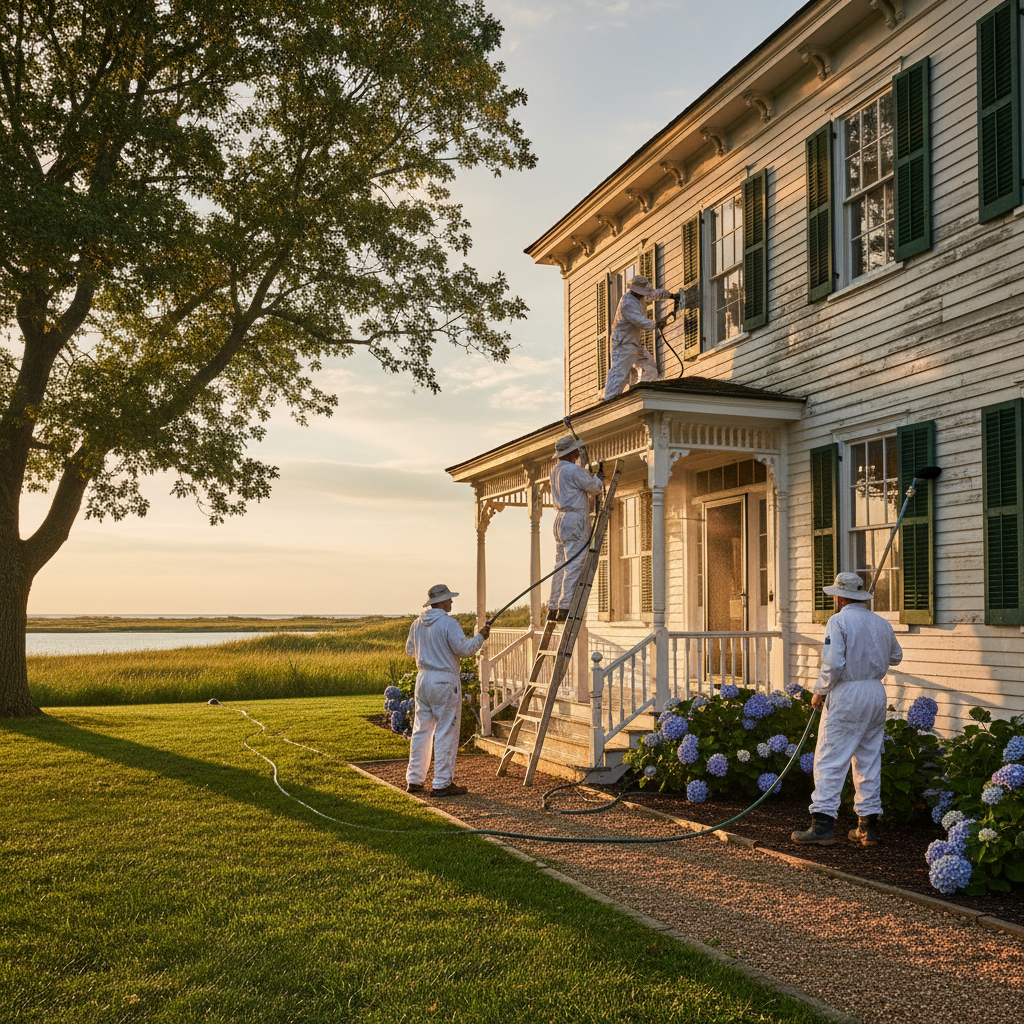
In the charming town of Milton, Delaware, where historic homes meet modern living and the Broadkill River flows, maintaining your home's exterior goes beyond aesthetics. The coastal environment—with its salt air, humidity, and strong sunlight—demands more from an exterior paint job. A beautiful finish is undoubtedly satisfying, but a truly successful one is built on a foundation of meticulous preparation. Without it, even the highest quality paint may fail prematurely, leaving your home vulnerable.
At Intrepid Custom Painting and Design, we understand that the longevity and integrity of your paint job are paramount. For projects that typically begin around $3,000, we emphasize that the majority of our effort isn't just in applying paint, but in the crucial steps that come before the brush ever touches the surface. These preparatory measures are the silent heroes that ensure your investment in your Milton home stands the test of time, resisting the unique challenges of coastal Delaware.
This article delves into the essential paint preparation techniques that make a significant difference in the lifespan and appearance of your home's exterior in Milton, DE. From thorough cleaning to expert priming, understanding these steps will help you appreciate the true value of a professional paint job designed to endure.
Why Preparation is Paramount in Coastal Delaware
The coastal climate of Milton, Delaware, presents distinct challenges for exterior paint. High humidity can lead to moisture infiltration if surfaces aren't properly sealed, while salt spray contributes to corrosion and premature paint degradation. The intense UV radiation from the sun can also break down paint films much faster than in inland areas. These factors mean that a quick sand-and-paint approach simply won't suffice for lasting results.
Effective preparation addresses these environmental stressors head-on. It creates a stable, clean, and appropriately conditioned surface that allows the paint to adhere properly, form a robust protective barrier, and maintain its aesthetic appeal for years. Without this critical foundation, even premium paints struggle to perform, leading to peeling, cracking, and fading much sooner than anticipated. For homes in Milton, especially those with historic clapboard or newer builds exposed to the elements, this diligent approach is non-negotiable.
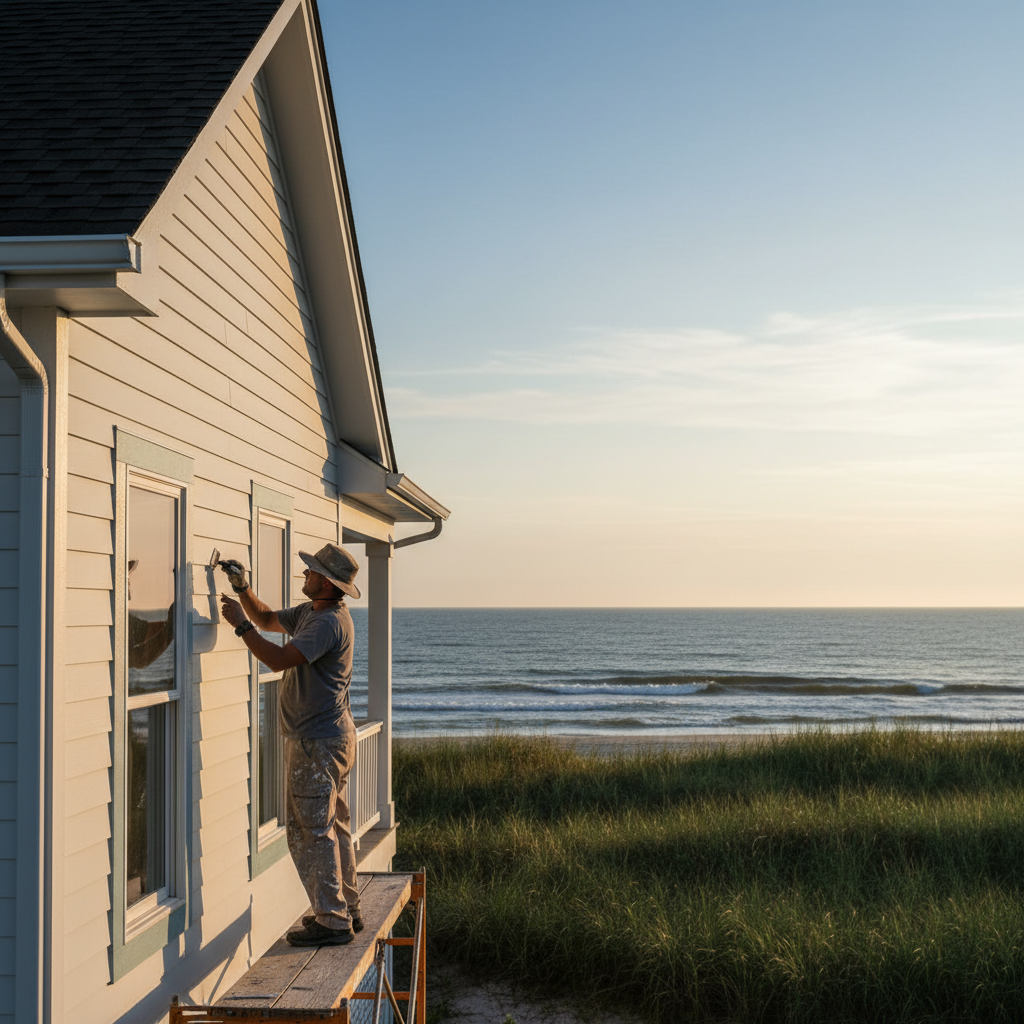
The Crucial First Step: Thorough Cleaning
Before any sanding or patching begins, a comprehensive cleaning of the exterior surfaces is essential. This removes dirt, grime, mold, mildew, chalking, and other contaminants that prevent paint from bonding effectively. For many homes in Milton, especially those with shaded areas or proximity to water, mildew can be a persistent issue.
We typically utilize a gentle, yet effective, power washing technique combined with appropriate cleaning solutions. The goal is to remove all foreign substances without damaging the substrate. After cleaning, it's vital that surfaces are allowed to dry completely. Painting over a damp surface, particularly in humid coastal conditions, traps moisture which can lead to blistering and peeling once the paint cures. This drying period is often longer in coastal Delaware due to persistent humidity.
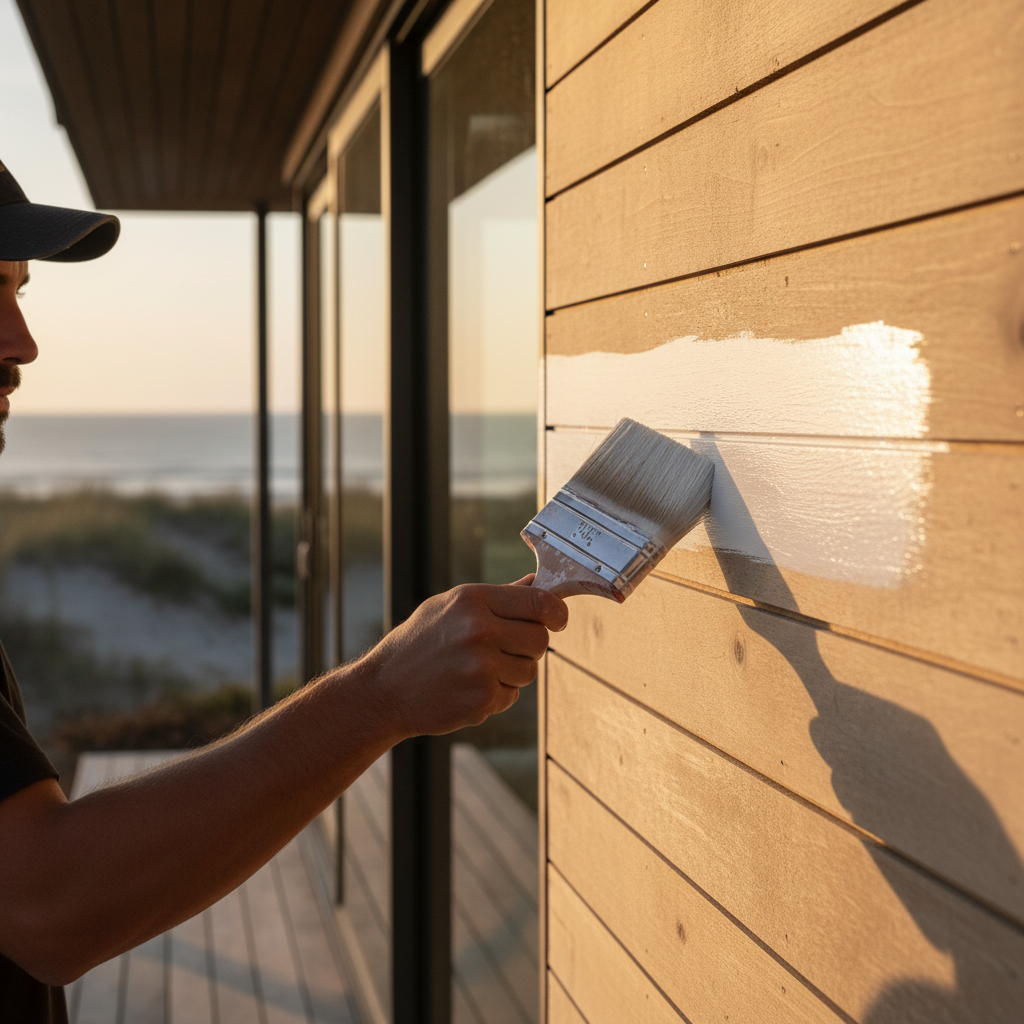
Addressing Imperfections: Repair and Restoration
Once clean and dry, the next phase involves meticulously inspecting and repairing any damage or imperfections on the surface. This step is particularly important for older homes in Milton with traditional clapboard siding or for newer homes that may have incurred minor wear and tear.
Common repairs include scraping loose and failing paint, sanding rough edges, filling cracks and holes with appropriate exterior-grade fillers, and repairing or replacing damaged wood. For homes near the water, checking for and addressing any rot caused by moisture intrusion is critical. Each repair must be executed with precision, ensuring a smooth and stable surface that will not show through the final paint layers. Neglecting these repairs is like building on a shaky foundation – the paint job will only be as good as the surface beneath it.
- Scraping and sanding to remove all loose, peeling, or failing paint.
- Filling nail holes, minor cracks, and small imperfections with exterior-grade wood filler or caulk.
- Repairing or replacing any rotted or damaged wood elements, ensuring structural integrity.
- Cleaning and neutralizing any efflorescence on masonry surfaces before sealing.
Priming: The Unsung Hero of Paint Longevity
Priming is perhaps the most undervalued step in the entire painting process, yet it is arguably the most critical for durability, especially in a coastal environment like Milton. Primer serves multiple vital functions: it provides a uniform surface for paint adhesion, seals porous materials, blocks stains, and can even inhibit mildew growth. For specific situations, different types of primers are used.
For previously painted surfaces with sound, intact paint, a high-quality bonding primer ensures excellent adhesion for the new topcoat. On bare wood, especially the historic clapboard common in downtown Milton, an oil-based primer is often preferred for its superior sealing properties, preventing moisture absorption and tannin bleed. For new or repaired drywall, a PVA primer creates an even finish. Choosing the correct primer for the specific substrate and environmental conditions is a nuanced decision that significantly impacts the final result and longevity.
- Ensures optimal adhesion of the topcoat, preventing peeling and blistering.
- Seals porous surfaces, creating a uniform base and reducing topcoat absorption.
- Blocks stains and discolorations from bleeding through the final paint layers.
- Provides an extra layer of protection against moisture and environmental elements, crucial for coastal homes.
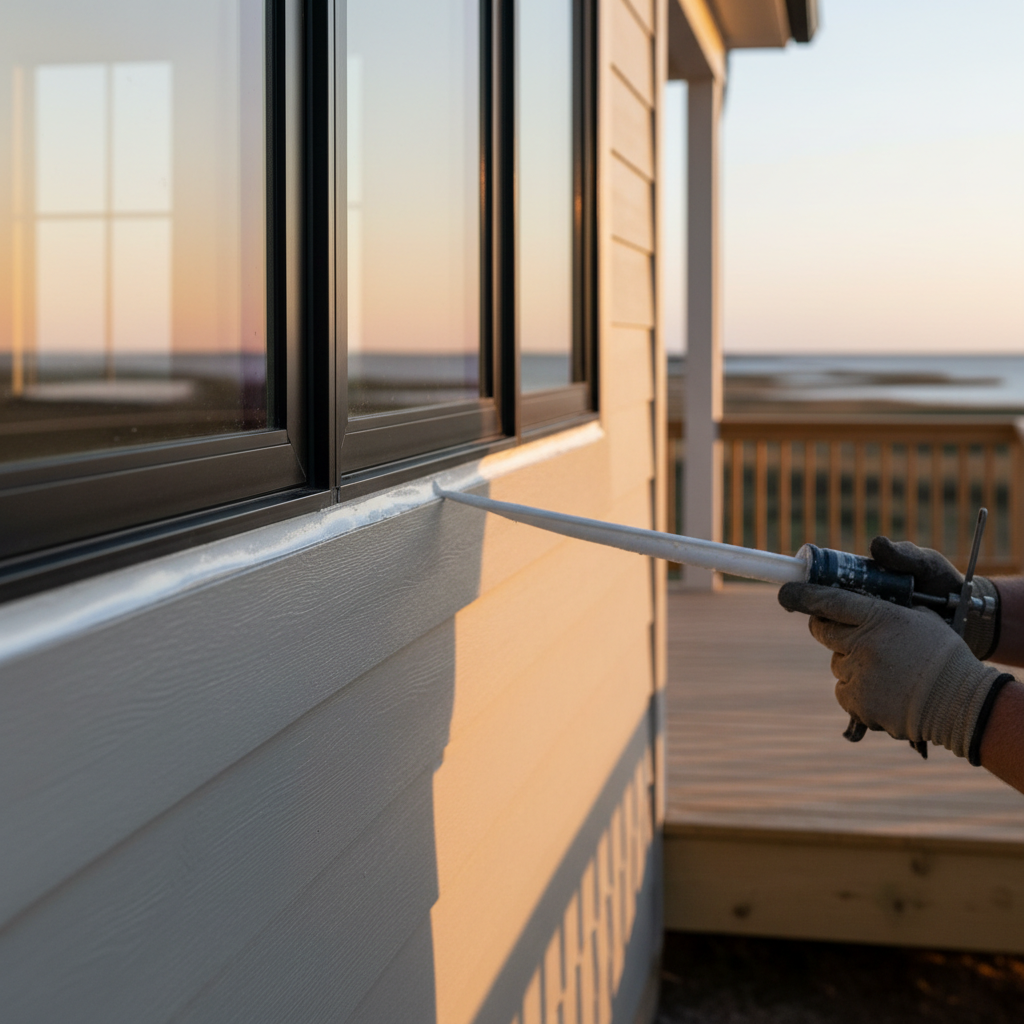
Caulking and Sealing: Protecting Against Moisture
In the humid climate of coastal Delaware, effective caulking and sealing are indispensable for preventing moisture intrusion, which is a leading cause of paint failure and structural damage. This step involves meticulously sealing all gaps, cracks, and seams where different materials meet, such as around windows, doors, trim, and siding joints. Using high-quality, flexible exterior-grade caulk is paramount.
Proper caulking not only protects against water penetration but also helps to improve your home's energy efficiency. We pay close attention to areas prone to movement or water accumulation, ensuring that every potential entry point for moisture is thoroughly addressed. This detail-oriented work provides a critical barrier against the elements, extending the life of both your paint and your home's underlying structure, particularly important for rental properties in the area that experience frequent turnover and wear.
Final Inspection and Detail Work
Before the first drop of finish paint is applied, a thorough final inspection is conducted. This ensures that all previous preparation steps—cleaning, repairing, sanding, priming, and caulking—have been completed to the highest standards. We meticulously check for any missed spots, rough areas, or imperfections that could compromise the final finish. This attention to detail is what sets a lasting paint job apart.
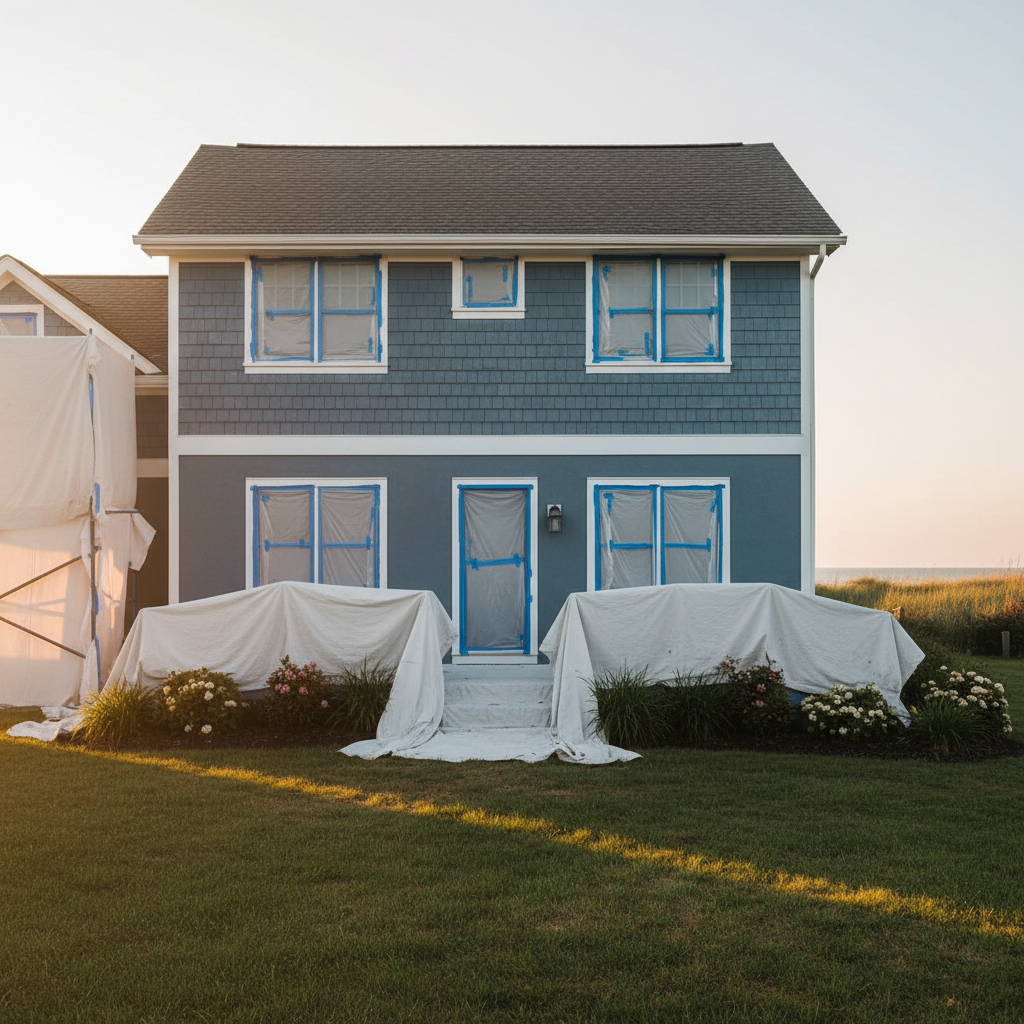
This stage also includes protecting surrounding areas that will not be painted, such as windows, landscaping, and fixtures, with professional-grade masking and drop cloths. Taking these precautions safeguards your property and ensures clean, crisp lines for the finish coat. It’s the culmination of careful planning and execution that ensures the paint application process itself can proceed smoothly and efficiently, resulting in a beautiful, durable finish that truly enhances your Milton home.
Common questions
- How does Milton's coastal climate affect exterior paint durability?
- Milton's coastal climate features high humidity, salt air, and strong UV radiation. These elements can accelerate paint degradation, leading to peeling, chalking, and fading if surfaces aren't properly cleaned, primed, and sealed. Proper prep work creates a robust barrier against these specific environmental challenges.
- Is power washing always recommended for prep work in Milton?
- Power washing is often an excellent way to thoroughly clean exterior surfaces, removing dirt, mold, and loose paint. However, it must be done with care, using appropriate pressure settings and cleaning solutions to avoid damaging the substrate, especially on older homes or delicate materials like historic clapboard. It's followed by ample drying time.
- What specific prep is needed for historic homes in downtown Milton?
- Historic homes in downtown Milton, often with original clapboard siding, require extra care. This includes gentle scraping and sanding to preserve historic wood, meticulous repair of any rot, and the use of specialized oil-based primers to seal the wood effectively and prevent tannin bleed, which is common in older wood.
- How long should I expect the preparation phase to take for a typical home in Milton?
- The preparation phase often takes as much, if not more, time than the actual painting. For a typical home in Milton, this could range from several days to over a week, depending on the home's size, condition, and the extent of repairs needed. This thoroughness is critical for a durable finish in our coastal environment.
Planning a project in Sussex County?
We walk the property, talk through scope and color, and leave you with a written estimate. Most projects start around $3,000+.