Intrepid Custom Painting & Design
P’aint Life Grand
Exterior Painting · 4 min read
Preserving Georgetown's Charm: Historic Trim & Clapboard Restoration
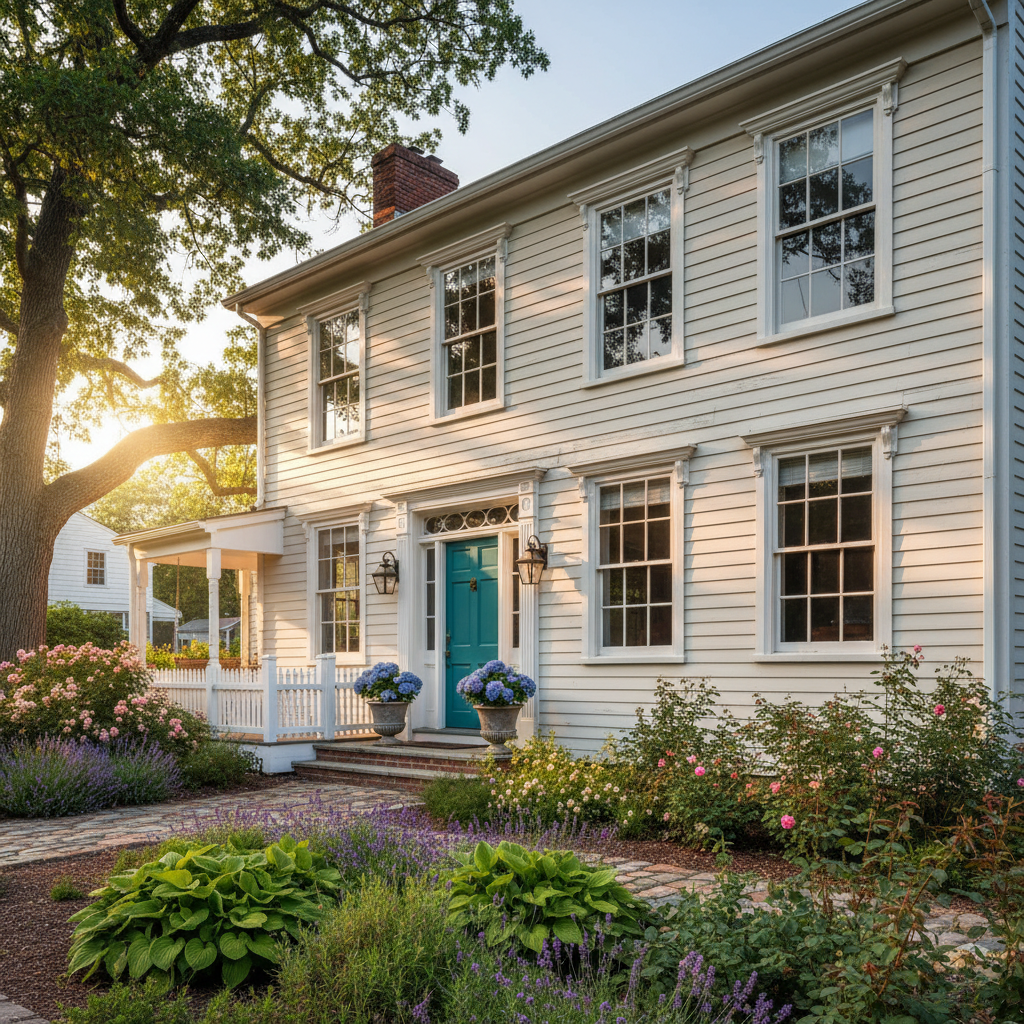
Georgetown, Delaware, with its rich architectural heritage, boasts many homes featuring classic trim and clapboard siding. These historic elements contribute significantly to the town's unique character and charm. However, coastal Delaware's environment—marked by salt air, humidity, and temperature fluctuations—presents particular challenges for their preservation.
Maintaining these traditional exteriors requires a thoughtful approach, balancing historical integrity with practical protection. This article explores the fundamental aspects of caring for and restoring historic trim and clapboard, ensuring these beautiful homes can stand gracefully for generations to come.
Our aim is to guide homeowners through the process, offering insights into how to protect these valuable architectural features from deterioration and maintain their aesthetic appeal without compromising their authentic character.
Understanding Historic Materials and Their Challenges
Historic homes in Georgetown often feature materials like old-growth wood, which, while durable, can be susceptible to moisture intrusion and sun exposure over time. Original clapboard and trim might have been painted with oil-based paints that require different preparation and recoating considerations compared to modern acrylics.
The unique climate of coastal Delaware, characterized by high humidity and the corrosive effects of salt-laden air, accelerates wear and tear on exterior surfaces. Wood can expand and contract, leading to cracking, peeling paint, and eventual rot if not properly maintained. Understanding these material and environmental interactions is the first step in effective restoration.
Initial Assessment and Preparation
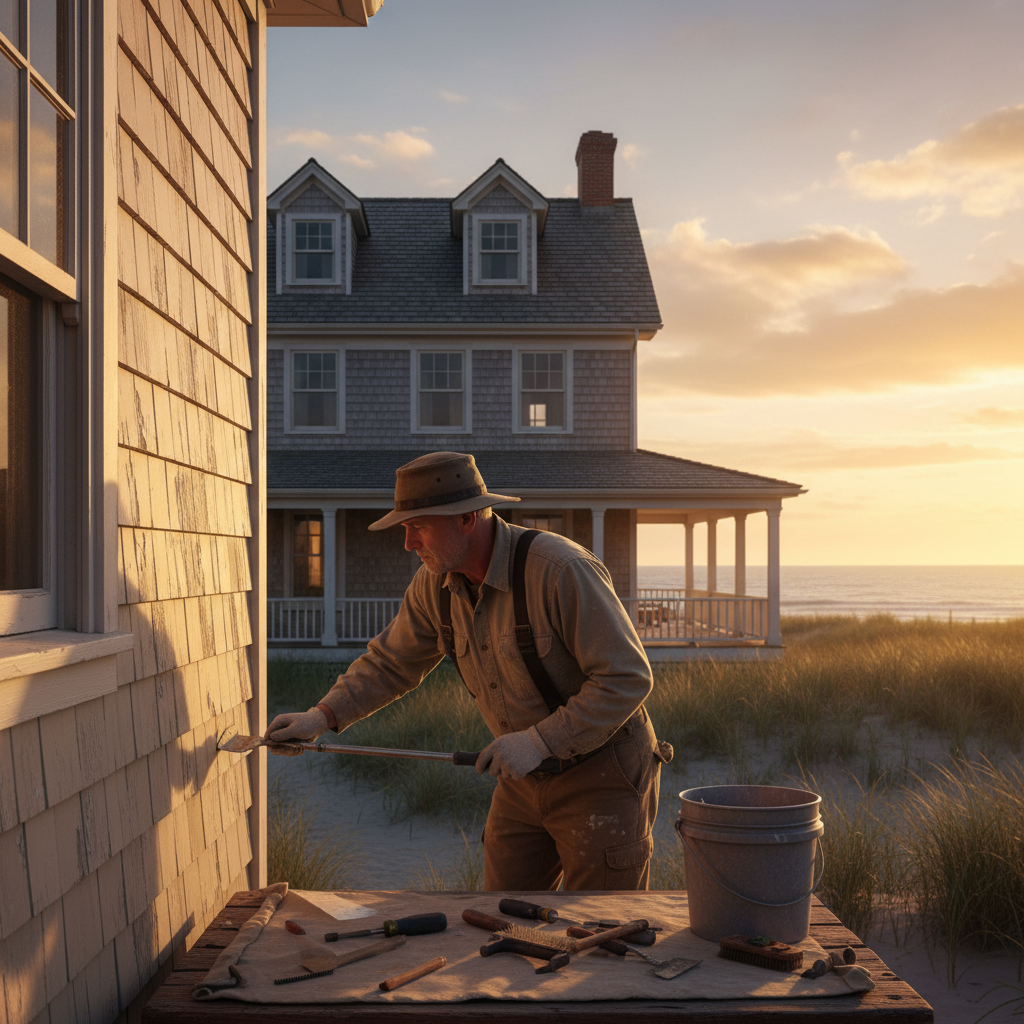
Before any restoration work begins, a thorough assessment of the existing trim and clapboard is crucial. Look for signs of peeling paint, dry rot, insect damage, or areas where caulking has failed. Addressing these underlying issues is paramount to a successful and lasting paint job.
Proper preparation is the cornerstone of historic restoration. This often involves careful scraping to remove loose and failing paint, followed by sanding to create a smooth, sound surface. For areas with significant damage, gentle heat guns or infrared paint removers can be employed to minimize damage to the wood, a more delicate approach than aggressive power washing which can force moisture into the substrate.
Once the surface is clean and sound, any repairs to the wood, such as patching small cracks or replacing severely damaged sections, should be completed. This careful preparation ensures optimal adhesion for new primers and paints, extending the life of the finish.
Choosing the Right Products for Longevity
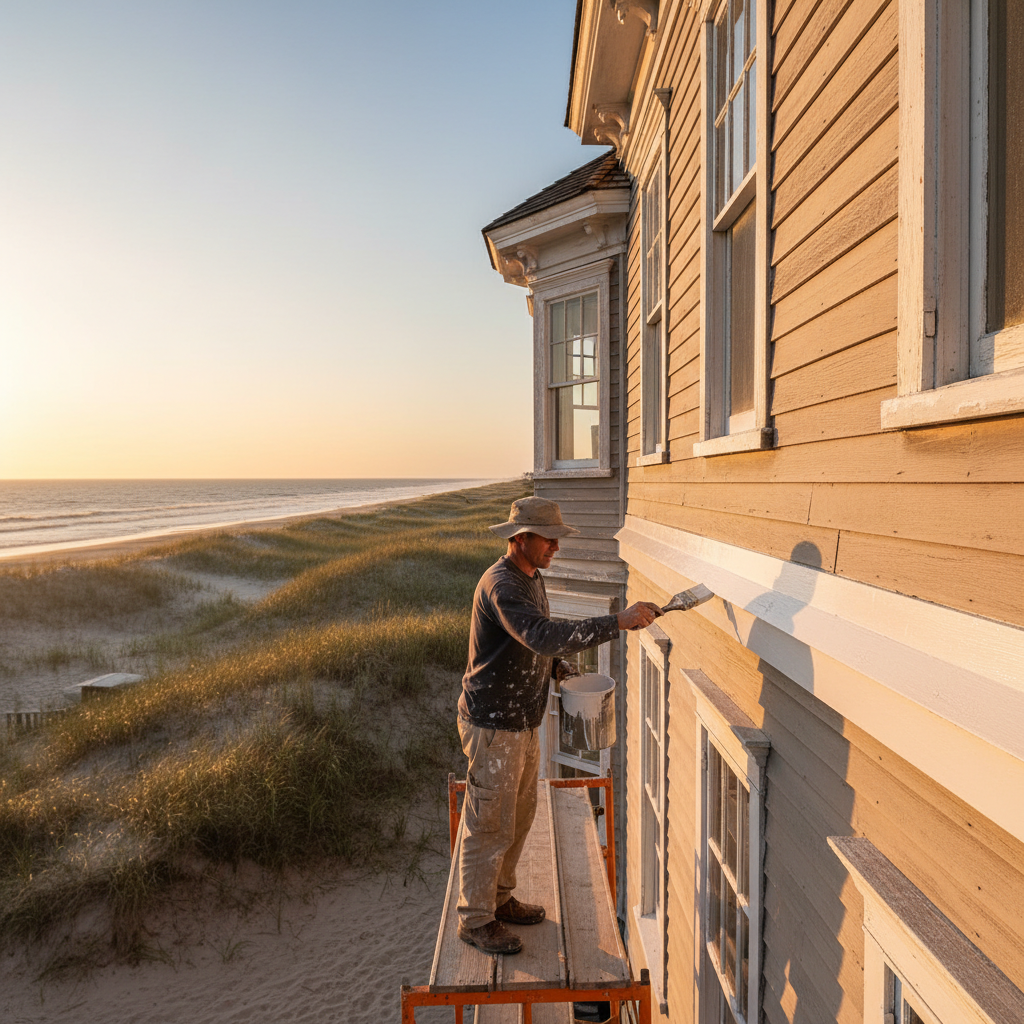
Selecting appropriate primers and paints is vital for historic exteriors, especially in a coastal setting. Modern, high-quality acrylic latex paints offer excellent flexibility and breathability, allowing moisture to escape while providing a durable barrier against the elements. However, compatibility with existing historic layers must always be considered.
For priming, an oil-based primer is often recommended for bare wood or areas where old oil paint remains, offering superior adhesion and stain blocking. When choosing your topcoat, consider paints formulated for historic homes or those known for their exceptional durability and mildew resistance, which is particularly important in humid coastal environments.
We recommend focusing on products that provide excellent UV protection and moisture resistance to combat Georgetown's coastal climate. Investing in high-quality materials upfront can significantly extend the life of your paint job and reduce the frequency of future maintenance.
- High-quality acrylic latex paints for flexibility and breathability.
- Oil-based primers for bare wood or over existing oil paint.
- Paints with strong UV and mildew resistance are crucial for coastal conditions.
- Consider historical color palettes while ensuring product performance.
Application Techniques for a Lasting Finish
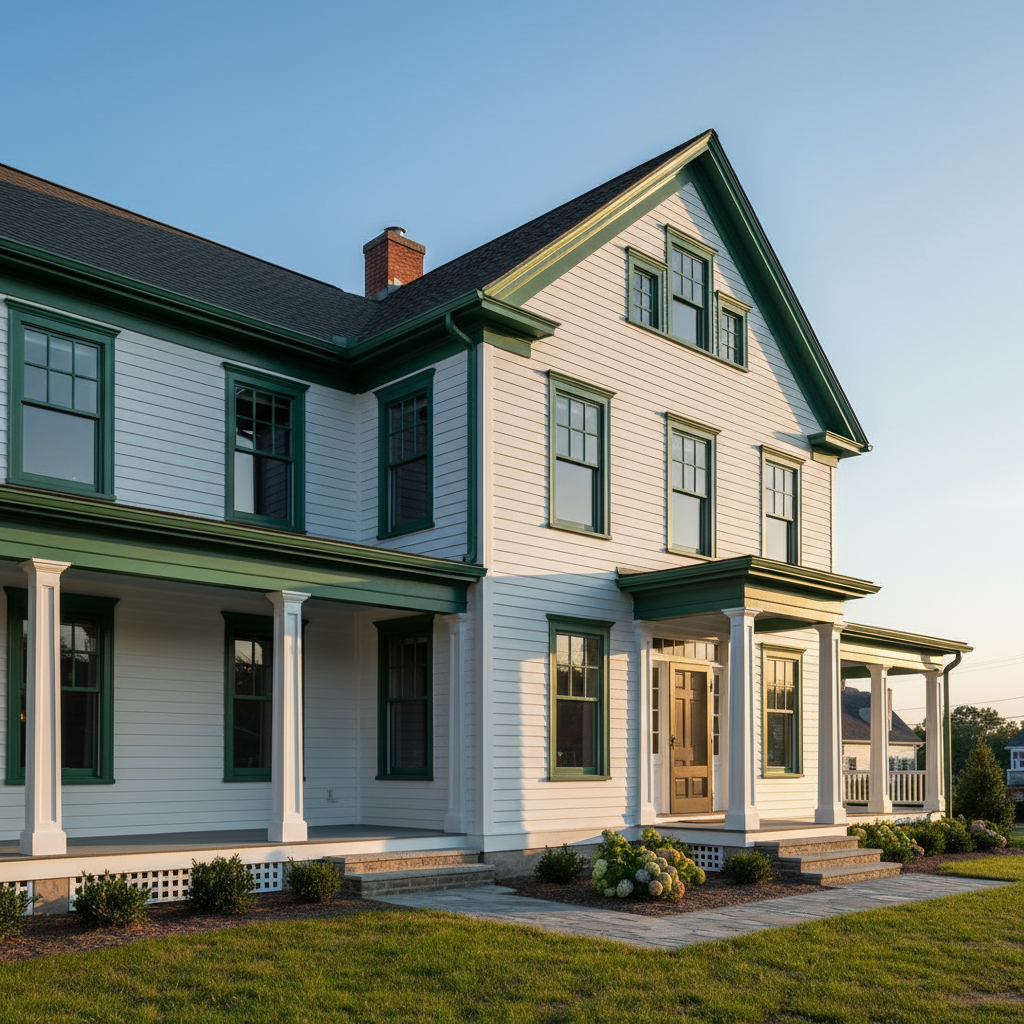
Applying paint correctly is as important as the preparation and product selection. For historic clapboard and trim, proper brush technique is essential to work the paint into the wood grain and achieve a smooth, even coat without drips or heavy brush marks. Two thin coats are almost always superior to one thick coat.
Special attention should be paid to overlapping clapboards, ensuring paint is applied evenly to the undersides to prevent moisture intrusion. Corners, seams, and areas around windows and doors also require careful sealing and application to create a robust, weather-tight envelope.
Adequate drying time between coats, as per manufacturer specifications, is non-negotiable. Rushing this step can compromise the adhesion and durability of the entire system, leading to premature failure, especially under the varying humidity levels found along the Delaware coast.
- Use proper brush technique for smooth, even coats.
- Apply two thin coats rather than one thick one.
- Ensure thorough coverage of clapboard overlaps and intricate trim.
- Allow ample drying time between coats for optimal adhesion.
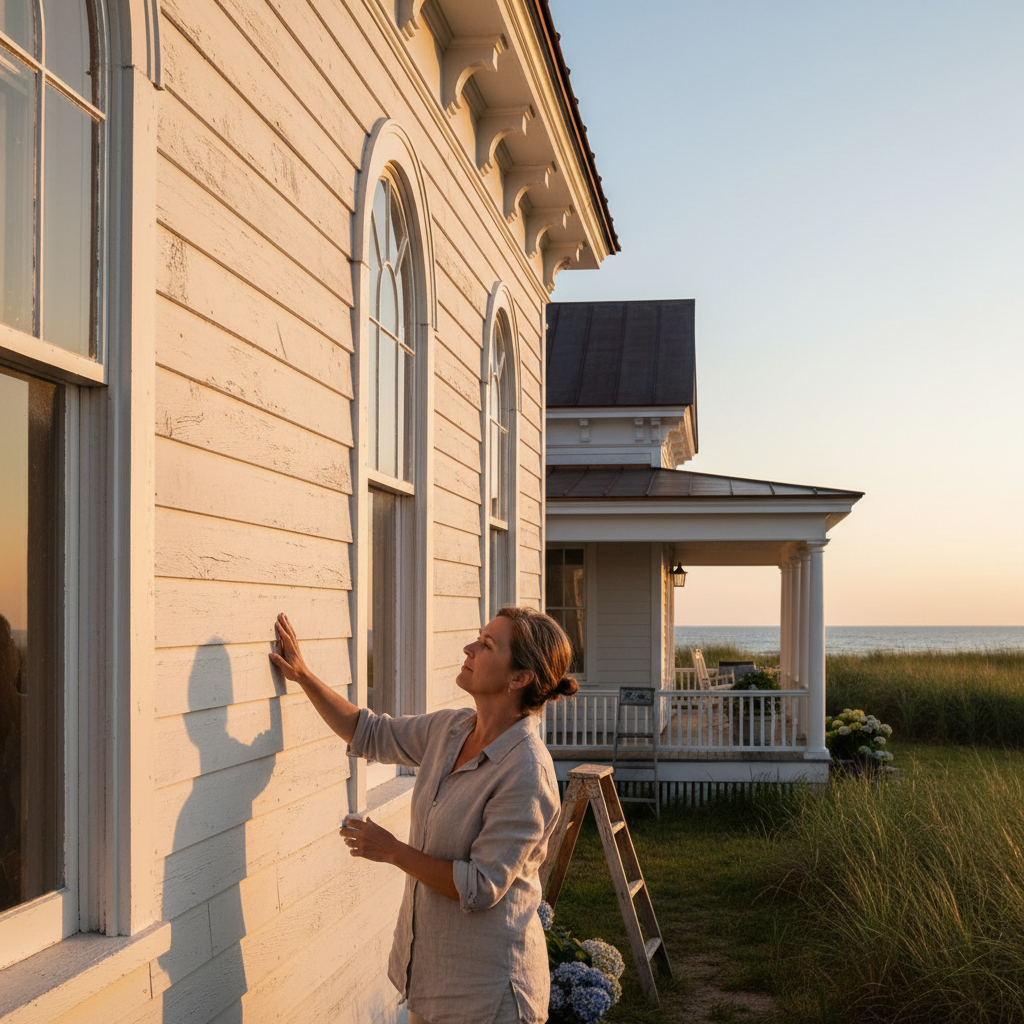
Ongoing Maintenance and Preservation Tips
Once restored, historic trim and clapboard require ongoing care to maintain their beauty and integrity. Regular inspections, perhaps annually, can help identify minor issues before they become major problems. Look for chipped paint, failing caulk, or areas where moisture might be collecting.
Gentle cleaning of the exterior surfaces can prevent the buildup of mildew and dirt, which can degrade paint finishes over time. Use a soft brush and mild cleaner; avoid high-pressure washing that can damage historic wood and force water behind the siding. Promptly address any small repairs or repaints to protect the underlying wood and prevent more extensive restoration needs down the line.
For homeowners in Georgetown, proactive maintenance is the key to preserving the historical character of their homes. A consistent schedule of inspection and minor touch-ups will ensure that these treasured properties continue to grace the landscape for many years to come.
Common questions
- How often should historic clapboard homes in Georgetown be repainted?
- Given the coastal environment of Georgetown, we generally recommend repainting historic clapboard homes every 5-7 years, depending on the quality of the previous paint job and the exposure of the home. Regular inspection will help determine the exact timing.
- What kind of paint colors are appropriate for historic homes in Georgetown?
- Many historic districts, including parts of Georgetown, have guidelines for exterior paint colors. While we can use modern, durable paints, it's always a good idea to research historically appropriate color palettes for your home's era and consult local preservation guidelines if applicable.
- Can you repair rotten wood on historic trim without replacing the entire piece?
- Often, yes. For localized dry rot or damage, we can meticulously remove the compromised sections, treat the area, and use specialized wood consolidants and epoxy fillers to repair and rebuild the trim, preserving as much of the original material as possible.
- Does the humidity in coastal Delaware affect historic paint jobs differently?
- Absolutely. High humidity can prolong drying times, encourage mildew growth, and exacerbate issues with moisture penetration if the paint system isn't breathable or properly applied. We select products and application techniques specifically designed to combat these coastal challenges.
Planning a project in Sussex County?
We walk the property, talk through scope and color, and leave you with a written estimate. Most projects start around $3,000+.
More on painting & design in Georgetown
Interior & exterior painting in Georgetown
Local scope, prep, and scheduling notes for Georgetown homes, plus FAQs and reviews from neighbors.
Cabinet refinishing near Georgetown
Sprayed urethane kitchen finishes with Good, Better, and Signature pricing tiers.
Project photo gallery
Photos from finished coastal Sussex County jobs, plus before-and-after pairs by service type.