Intrepid Custom Painting & Design
P’aint Life Grand
Historic Restoration · 4 min read
Restoring Georgetown's Heritage: Trim and Clapboard Care in Coastal Delaware
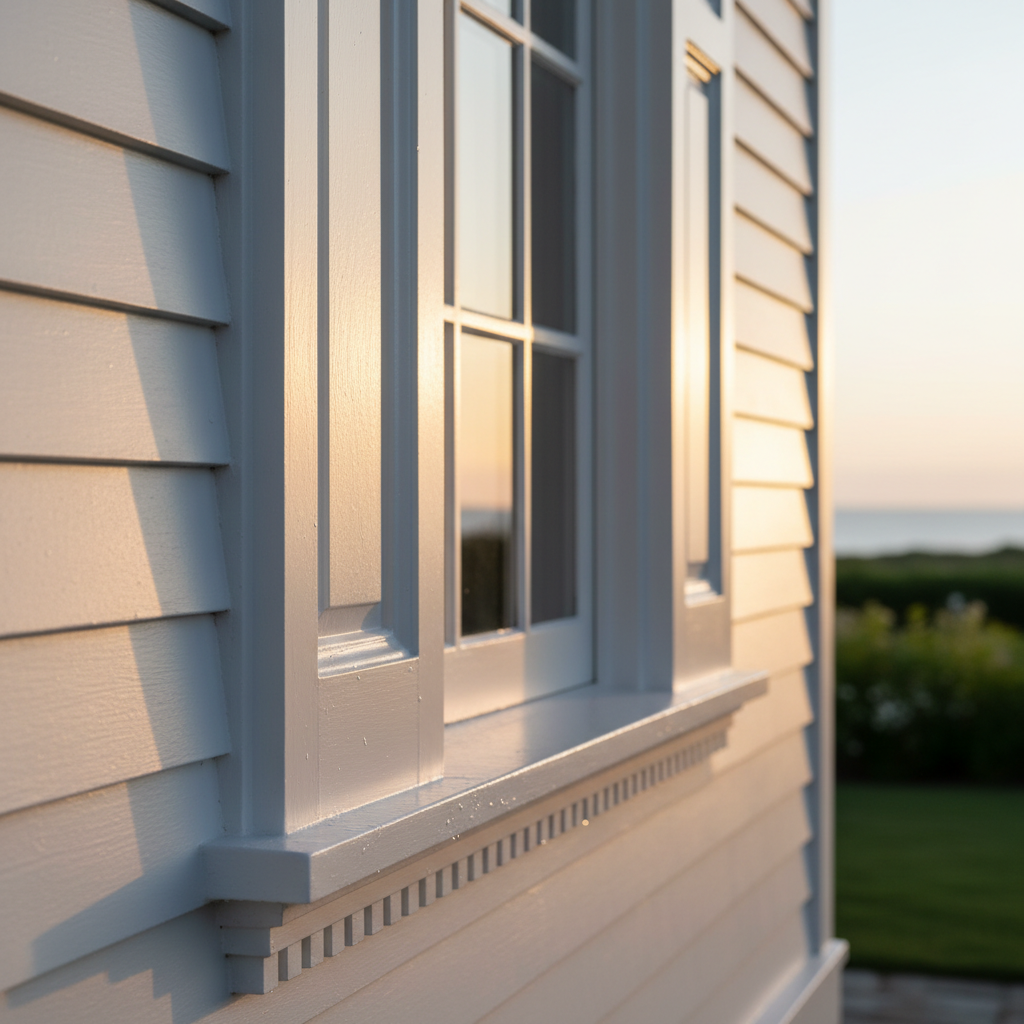
Georgetown, Delaware, with its rich history and distinctive architecture, presents unique considerations for homeowners looking to maintain their properties. Many of these cherished homes feature original wood trim and clapboard siding, elements that contribute significantly to the town's historic charm. However, the coastal environment brings its own set of challenges, from persistent humidity to salt air, which can accelerate wear and tear on these delicate surfaces.
Preserving these historic features isn't just about aesthetics; it's about protecting the structural integrity of your home and honoring the legacy of Georgetown. Unlike newer construction, older homes often used different materials and construction techniques, requiring a nuanced approach to restoration. Understanding the basics of caring for historic trim and clapboard can help ensure your home remains a proud part of Georgetown's landscape for generations to come.
At Intrepid Custom Painting and Design, we appreciate the distinct character of Georgetown's homes. Our approach is always rooted in preserving original details while applying modern, durable finishes that stand up to the coastal climate of Sussex County.
Understanding Historic Wood: Materials and Challenges
Historic trim and clapboard in Georgetown homes were typically crafted from resilient, locally sourced woods like cypress or pine. These materials, while durable for their time, are now decades, if not centuries, old. They have been exposed to countless seasons of sun, rain, and the particular stresses of coastal Delaware’s climate.
The primary adversaries for historic wood are moisture intrusion, UV radiation, and temperature fluctuations. Salt air can corrode fasteners and lead to premature paint failure, while high humidity encourages rot and mildew. Properly identifying the original wood type and understanding its specific vulnerabilities is the first step in any successful restoration project.
Assessment and Preparation: The Foundation of Restoration
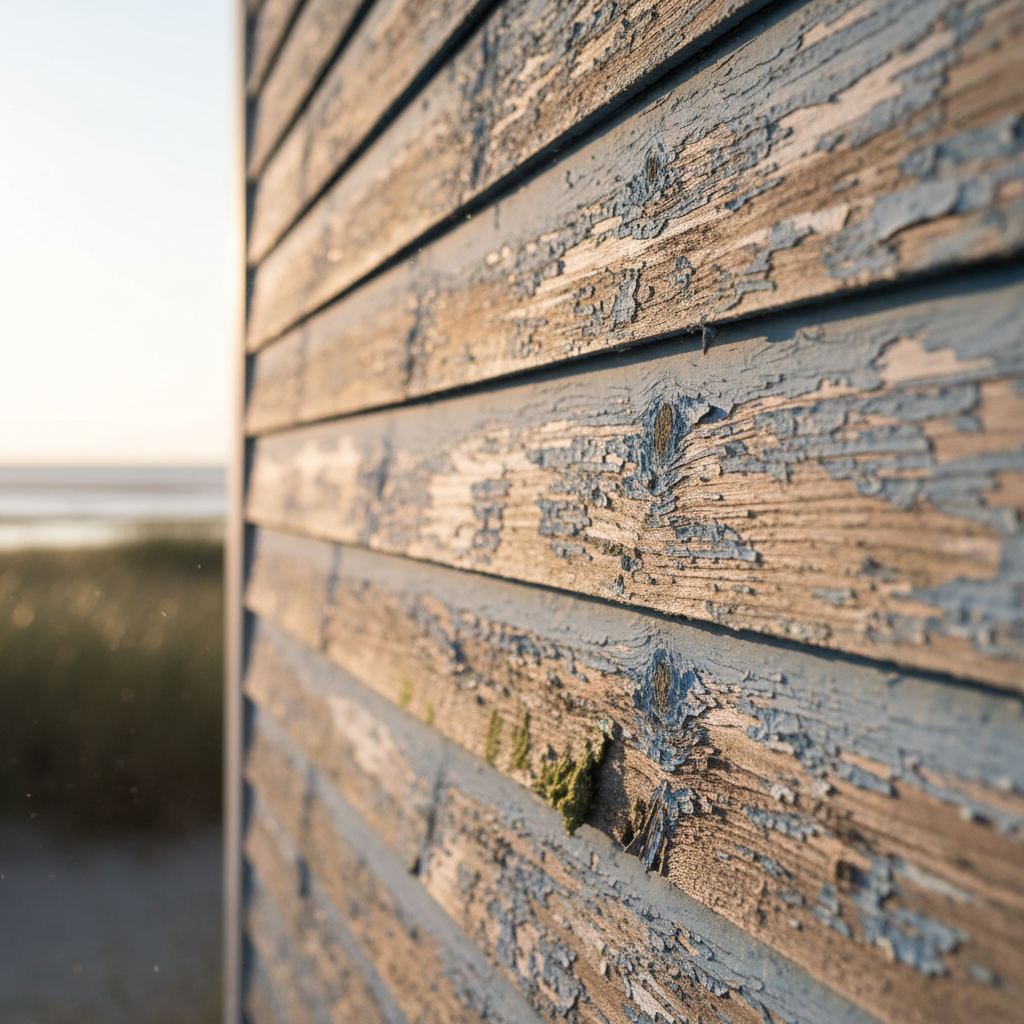
Before any new paint or finish can be applied, a thorough assessment of the existing surfaces is crucial. This involves meticulously checking for signs of rot, insect damage, loose paint, and failing caulk. We look beyond surface imperfections to understand the underlying condition of the wood.
Proper preparation is paramount for longevity, especially in a coastal setting where paint adhesion is regularly challenged. This often includes gentle but thorough cleaning, careful scraping of loose paint, and sanding to create a smooth, sound surface. Any damaged wood must be repaired or replaced with matching materials, ensuring historical accuracy and structural integrity.
- Inspect for signs of moisture damage, such as swelling, cracking, or discoloration.
- Test paint adhesion; old, chalky paint needs complete removal for best results.
- Replace rotted or severely damaged sections with historically appropriate wood.
- Clean surfaces thoroughly to remove dirt, mildew, and salt residue.
Paint and Primer Selection for Coastal Durability
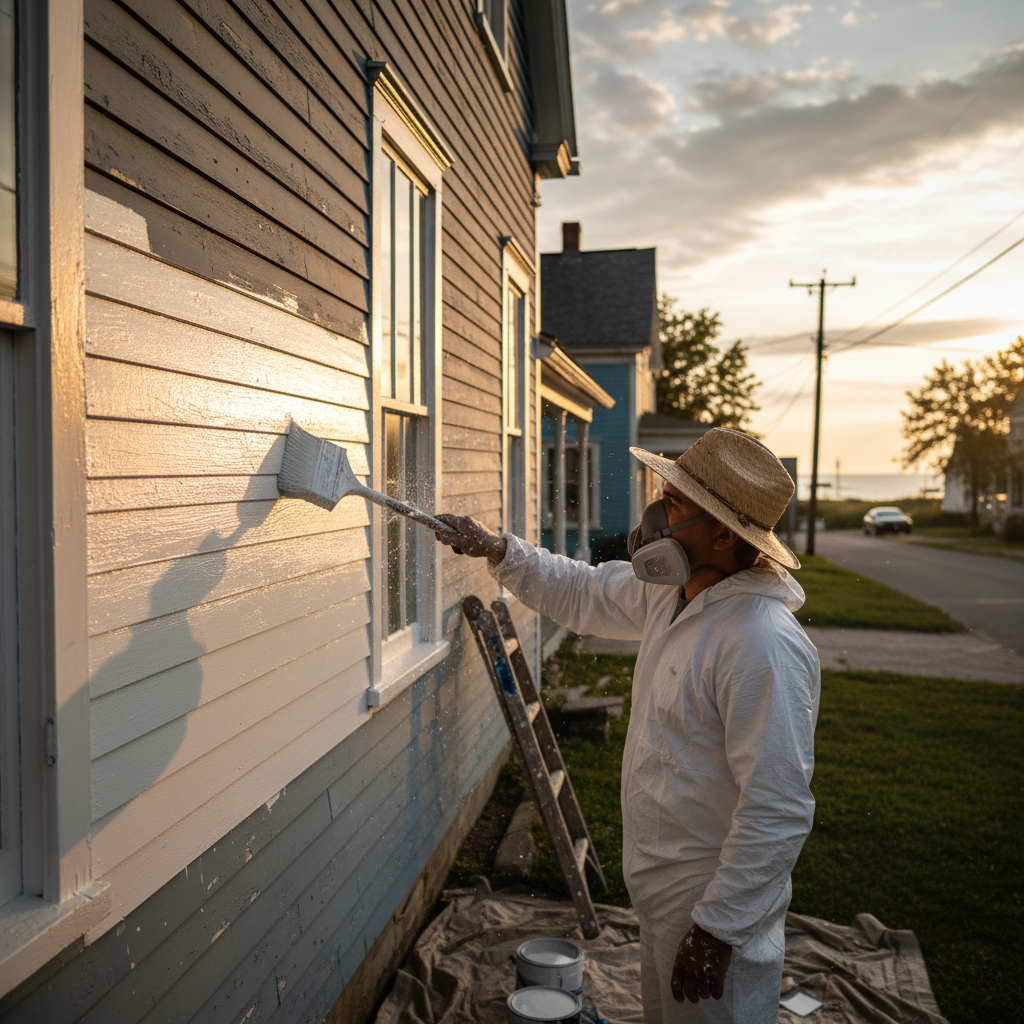
Choosing the right paint and primer is critical for historic homes, particularly in coastal Sussex County. Modern, high-quality acrylic latex paints offer flexibility, breathability, and excellent mildew resistance – all essential properties for our humid climate. Oil-based primers are often recommended for bare wood on older homes, as they penetrate deeply and seal the surface effectively, providing a strong foundation for the topcoat.
Consider paints specifically formulated for exterior use in challenging environments. These products are designed to withstand UV radiation, provide superior adhesion, and resist cracking and peeling, which are common issues in areas exposed to salt spray and fluctuating temperatures. A thoughtful selection contributes significantly to the lifespan of the finish and the preservation of the wood underneath.
The Art of Application: Techniques for Historic Surfaces
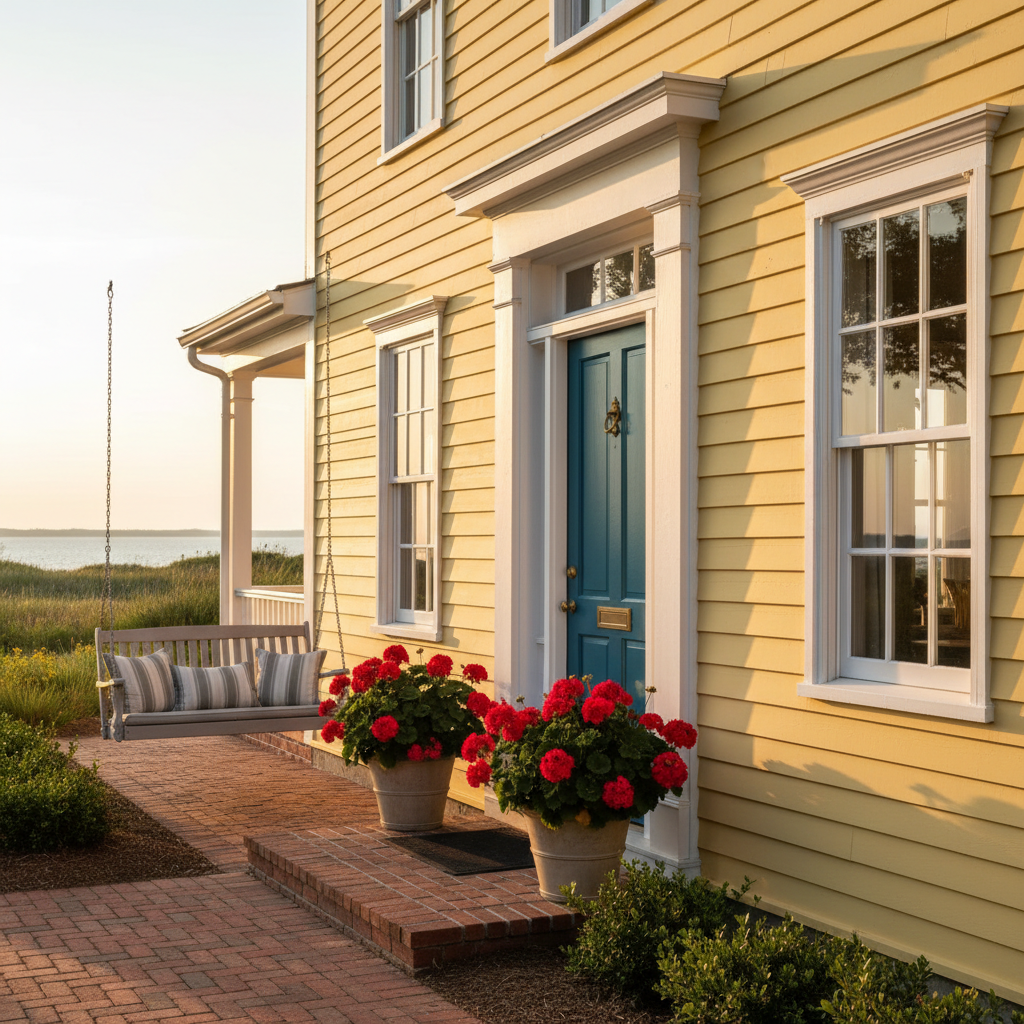
Applying paint to historic trim and clapboard is more than just covering a surface; it's a careful process that respects the material's age and characteristics. Brush application is often preferred for older homes, as it allows for better penetration into the wood grain and a thicker, more durable film build, especially in intricate details and overlapping clapboard sections. This also helps to work the paint into any minor irregularities common on aged wood.
Multiple thin coats, rather than one thick coat, contribute to a more durable and even finish. Ensuring proper drying times between coats is crucial, particularly in our humid environment, to prevent blistering and ensure maximum adhesion. Careful masking and attention to detail ensure clean lines and a professional finish that highlights the architectural beauty of Georgetown's homes.
- Use high-quality brushes designed for fine finishing to ensure smooth application.
- Apply paint in the direction of the wood grain for optimal aesthetic and protection.
- Pay close attention to seams, joints, and end-grains where moisture intrusion is common.
- Allow ample drying time between coats, especially during humid coastal weather.
Long-Term Maintenance and Preservation
Once your historic trim and clapboard are beautifully restored, ongoing maintenance is key to their longevity. Regular inspections – ideally annually – can help identify minor issues before they become major problems. Look for any signs of cracking, peeling, or mildew. Early detection allows for small touch-ups, preventing the need for extensive repainting.
Keeping gutters clean and ensuring proper drainage away from the house are simple yet effective measures to protect wood surfaces from excessive moisture. Gentle cleaning to remove salt buildup and mildew can also extend the life of your paint finish. Proactive care ensures that the charm of your Georgetown home endures, safeguarding its historic value and aesthetic appeal.
Common questions
- How does the coastal Delaware climate specifically affect historic wood siding in Georgetown?
- The combination of high humidity, salt-laden air, and intense UV exposure accelerates the breakdown of paint films and promotes wood rot and mildew growth. Salt can also cause paint to delaminate from the surface more quickly than in inland areas.
- Can all historic wood be saved, or are some parts beyond repair?
- While our goal is always to preserve original materials, severely rotted or structurally compromised wood may need to be carefully replaced. We use historically sympathetic materials and techniques to maintain the integrity of your home's character.
- What's the typical timeline for a historic clapboard restoration project in Georgetown?
- The timeline can vary greatly depending on the home's size, the extent of damage, and weather conditions. However, most significant projects require several weeks for proper preparation, repair, and multiple paint coats, especially with the drying times needed in our humid environment.
- Is lead paint a concern on older Georgetown homes, and how do you handle it?
- Yes, lead paint is a common concern on homes built before 1978. Our team follows strict EPA RRP (Renovation, Repair, and Painting) lead-safe work practices to contain dust and debris, ensuring the safety of your family and our crew throughout the restoration process.
Planning a project in Sussex County?
We walk the property, talk through scope and color, and leave you with a written estimate. Most projects start around $3,000+.
More on painting & design in Georgetown
Interior & exterior painting in Georgetown
Local scope, prep, and scheduling notes for Georgetown homes, plus FAQs and reviews from neighbors.
Cabinet refinishing near Georgetown
Sprayed urethane kitchen finishes with Good, Better, and Signature pricing tiers.
Project photo gallery
Photos from finished coastal Sussex County jobs, plus before-and-after pairs by service type.